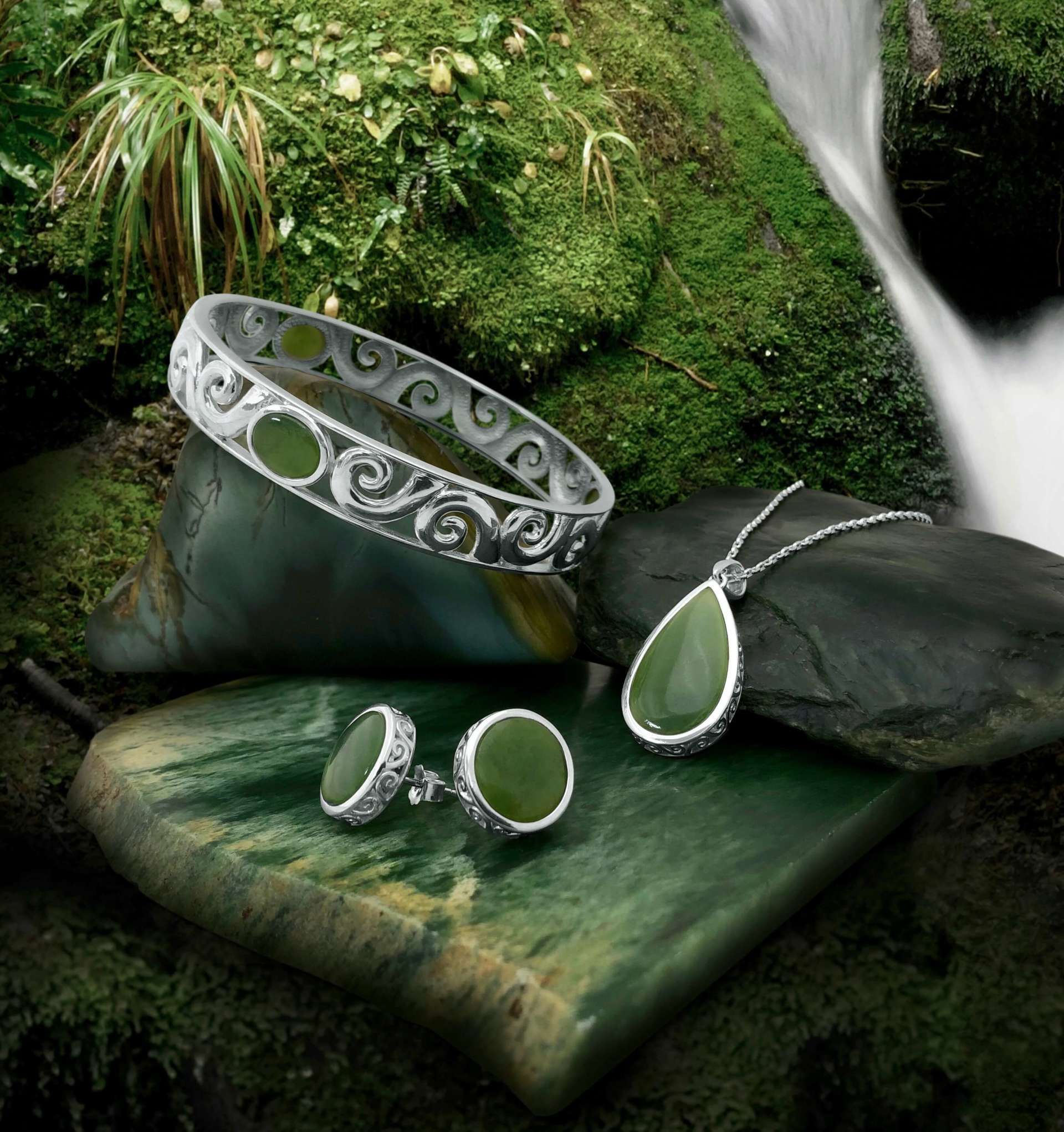
1001 shades of Pounamu: Varieties of Greenstone
A common misconception about New Zealand pounamu/greenstone
....is that it’s all green! While imported stone varieties, from British Colombia, China and Siberia, commonly known as jade tend to be more green and have less variety in their shades, New Zealand pounamu comes in a range of shades from dark, opaque black to milky, translucent grey and just about every colour in between!
Pounamu is generally categorised into four main varieties:
inanga, kahurangi, kawakawa and tangiwai.
There are so many colours and shades that fluctuate between these four varieties, too many to define - and sometimes qualities of two varieties can be found in the same stone - but this is the very reason that no two pieces of pounamu are alike, making them all uniquely special.
Here are some of the varieties of stone we work with
Marsden Flower
Pounamu from the Marsden, West Coast area. The centre of this stone is a highly translucent, light-ish green shade, free from dark spots and other flaws. One of the rarest varieties, held in high esteem by Māori. The most prized Greenstone in New Zealand is Flower Jade, Greenstone with pale green or ochre clouds of colour. This distinctive patterning and colouring come from the outside rim or 'rind' of the greenstone boulders or stones where the surface has oxidised.
Caused by the edge (rind) of the stone being oxidised, flower stone appears to have blooms of colouration throughout the stone. The colours of these blooms can range from grey and green to vibrant yellow and orange. This characteristic is unique to nephrite from this part of the world and is considered to be a prized variety of pounamu.
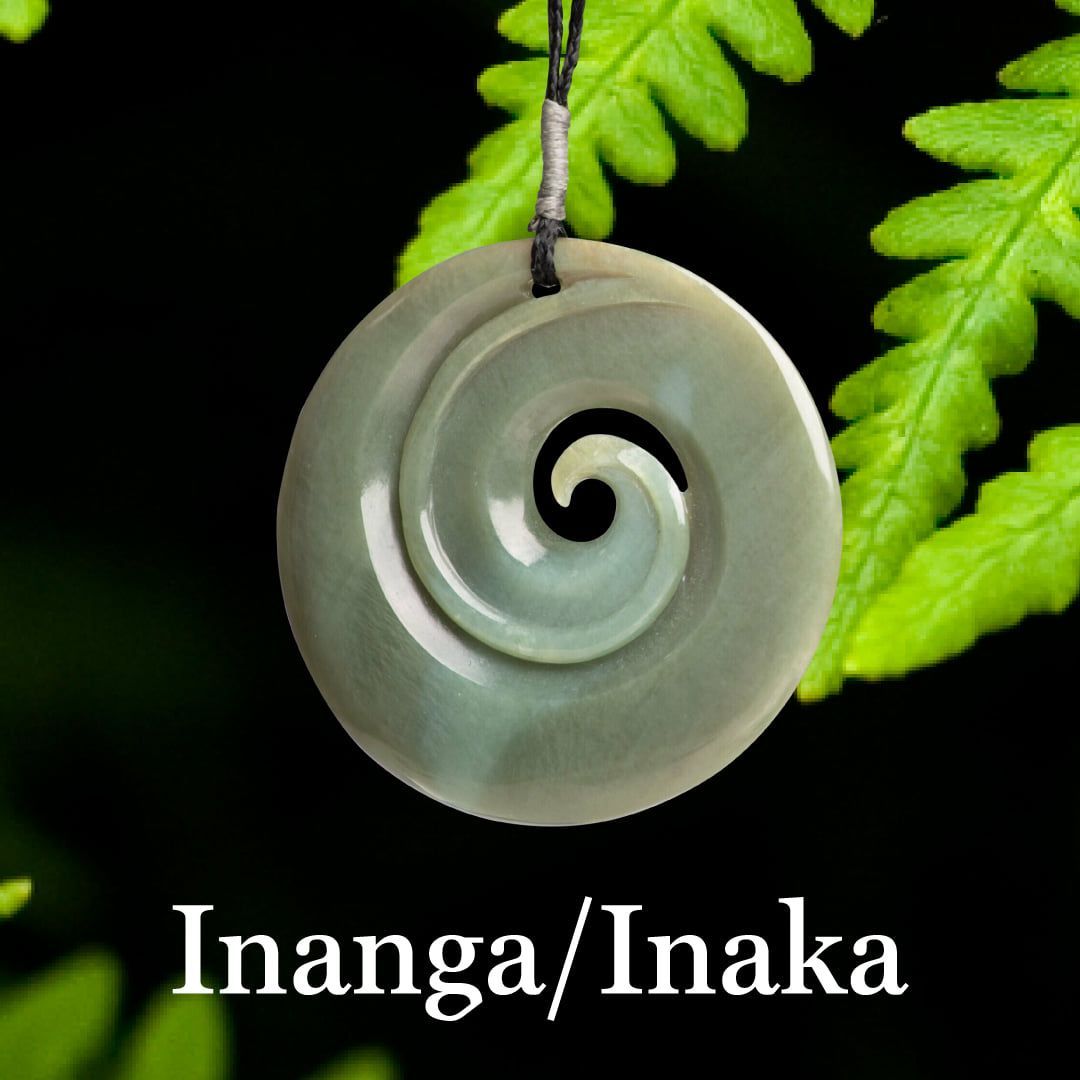
Inanga
Aptly named after the native fish, otherwise known as whitebait, this stone is a pearly greyish colour which sometimes has a blue hue in certain light. It also ranges in opacity. The lighter, soft shades tend to be translucent and the grey to light brown shades tend to be more opaque. Inanga is perhaps the most fragile variety; softer and quite heat-sensitive. If it’s not kept cool during the polishing process, white burn marks can appear which spoils the overall look.
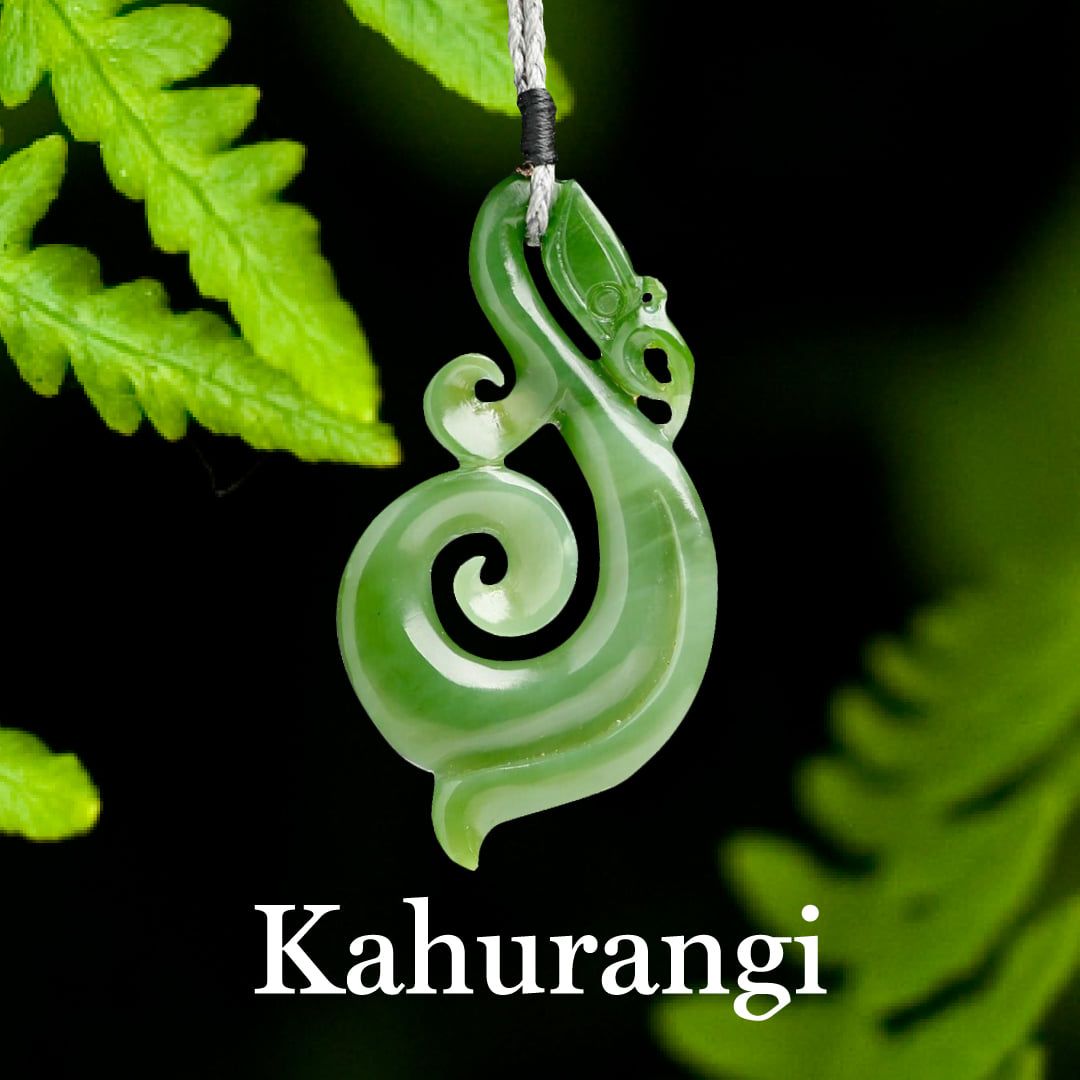
Kahurangi
A very bright green, translucent variety of pounamu without spots or flaws, this variety of greenstone seems to radiate its colour even without being held to light. The word kahurangi means prized, precious, treasured which is befitting of a stone as vibrant as this.
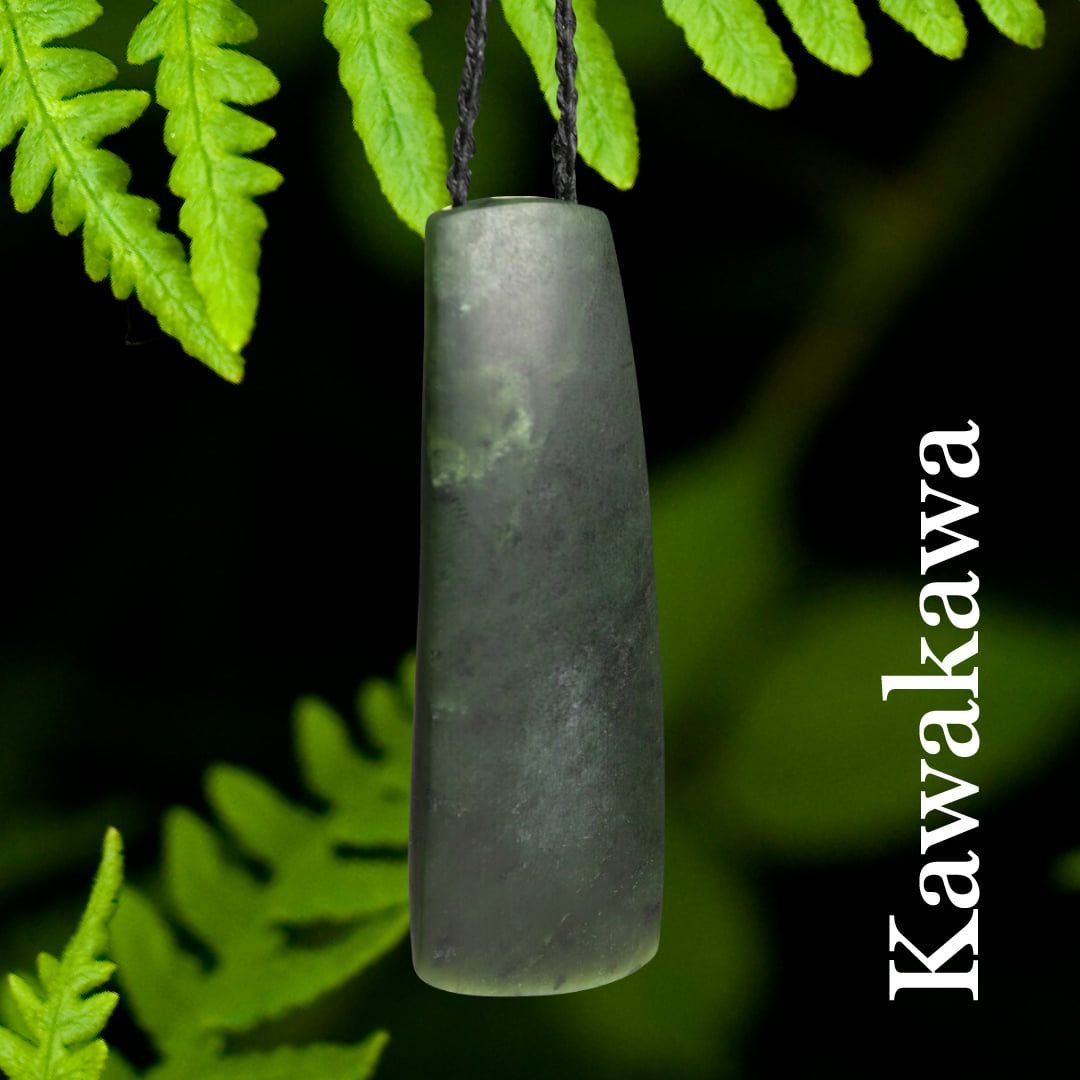
Kawakawa
Quite the opposite in vibrancy, kawakawa is named after the tree, whose leaves are rich green and heart-shaped. It is characterised by its dense appearance - only translucent at the extreme edge or, if thinly sliced, when held up to a strong light. It was historically considered too dark for jewellery but because it’s the strongest of all varieties was used frequently for tools such as toki (adzes) and patu (clubs). Some types of kawakawa exhibit beautiful orange-brownish colourations which are often referred to as Waimea Stone.
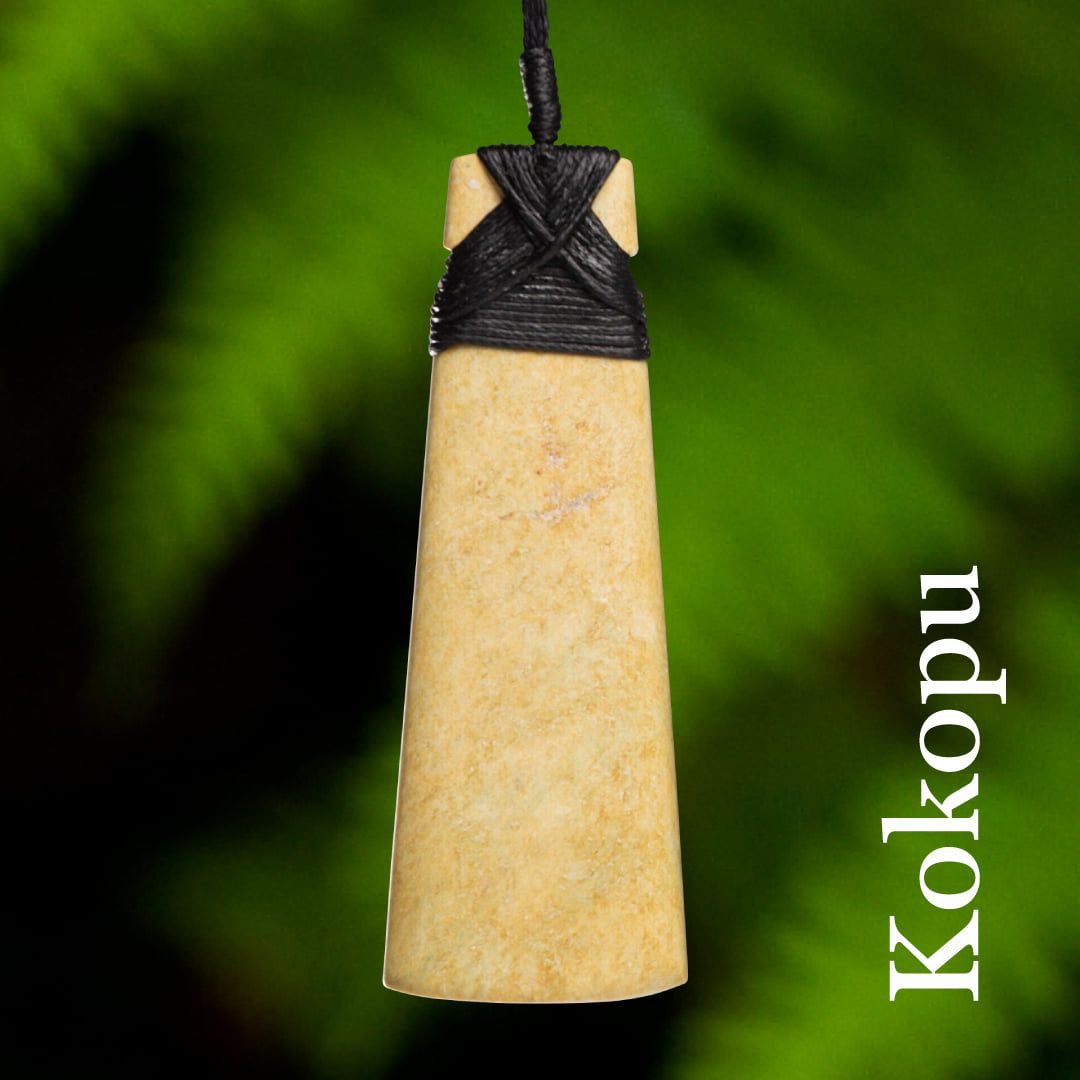
Kōkopu
Describing the fish-skin-like resemblance of this stone, kōkopu is the name of the native fish that whitebait grow up to be. This interestingly-patterned stone is also known as ‘mountain trout’ stone because of its appearance. Colours vary from darkish brown to light fawn. It’s mainly found in the Wainihinihi Creek and Arahura River.
Hapopo
It's colour ranges from medium green to a dark forest green with a unique mottled texture. The name originating from Kā Umu o Hapopo (Big Bay) which is in Poutini ki te toka (South Westland).
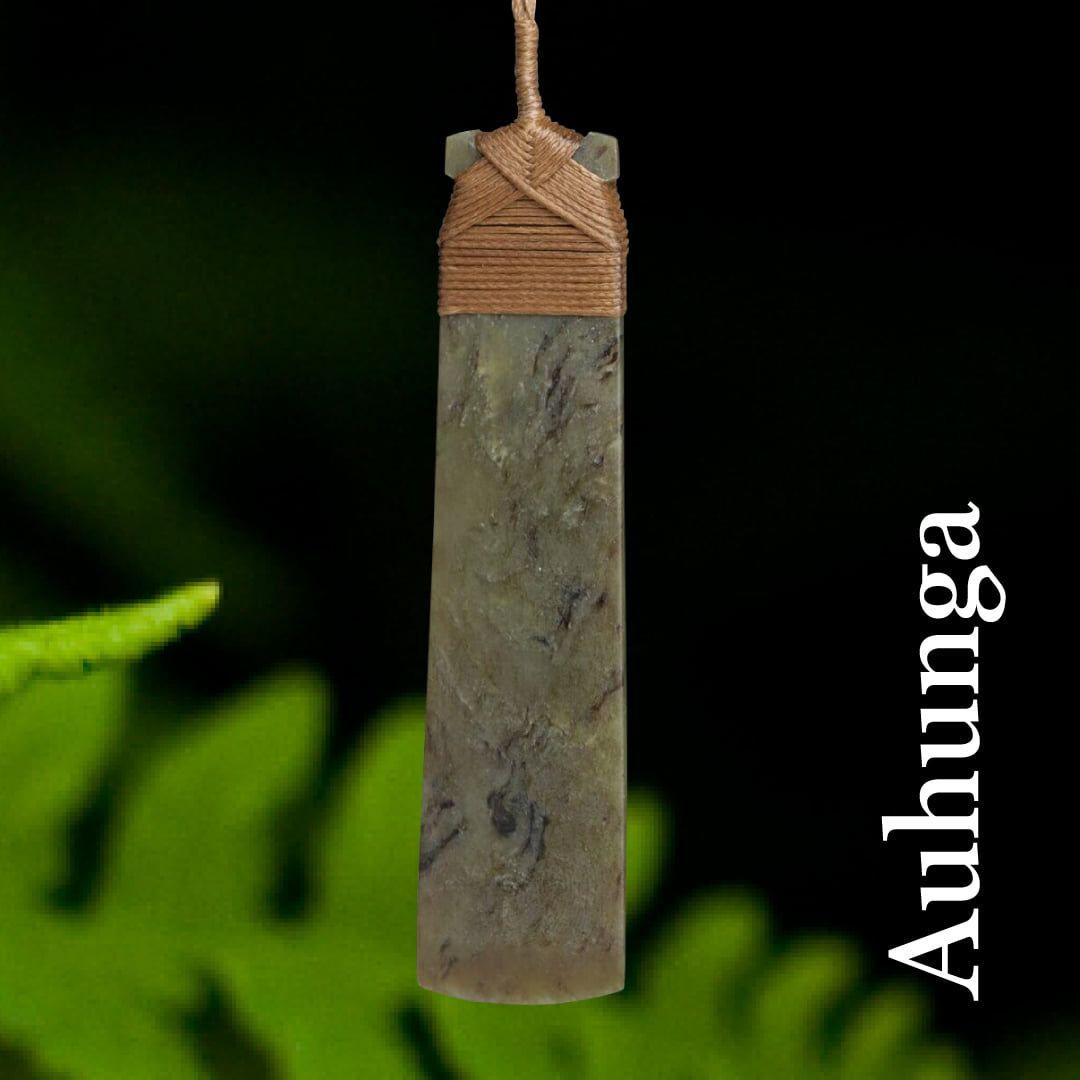
Auhunga
Genuine West Coast Greenstone from the Arahura River area, West Coast. Auhunga Pounamu is a pale opaque green colour. Resembling the Southern New Zealand mountains, its --name translates to frosty, given as the intermediate of Inanga and Kawakawa
Douglas Creek (Serpentine)
Found only on the West Coast of the South Island in the vicinity of its name’s sake, each piece of Serpentinite has inclusions of many minerals that make a stunning piece of Artwork. Two or more Serpentine minerals can form a Serpentinite Rock and many other sub varieties of this stunner. This is regarded as one of the three stones that make up the Pounamu family.
Serpentinite
has amazing healing qualities; to replenish and restore energy in the body, it also creates a protective and energetic field around us. Serpentinite can be a porous stone; in some cases, it will absorb the oils from your skin and deepen the colour of your stone. Each piece of Serpentinite has inclusions of many minerals that make a stunning piece of Artwork. Two or more Serpentine minerals can form a Serpentinite Rock and many other sub varieties of this stunner. This is regarded as one of the three stones that make up the Pounamu family.
Pakohe
Also known as Argillite, and to geologists as metamorphosed indurated mudstone, argillite is particularly associated with the Nelson-Marlborough region in New Zealand. It is found on Rangitoto (D'Urville Island), along the Whangamoa mineral belt, and in the upper reaches of the Maitai, Wairoa and Motueka Rivers. Māori valued Argillite’s strength, hardness and ability to hold a sharpened edge – which made it ideal for making tools (especially Adzes).
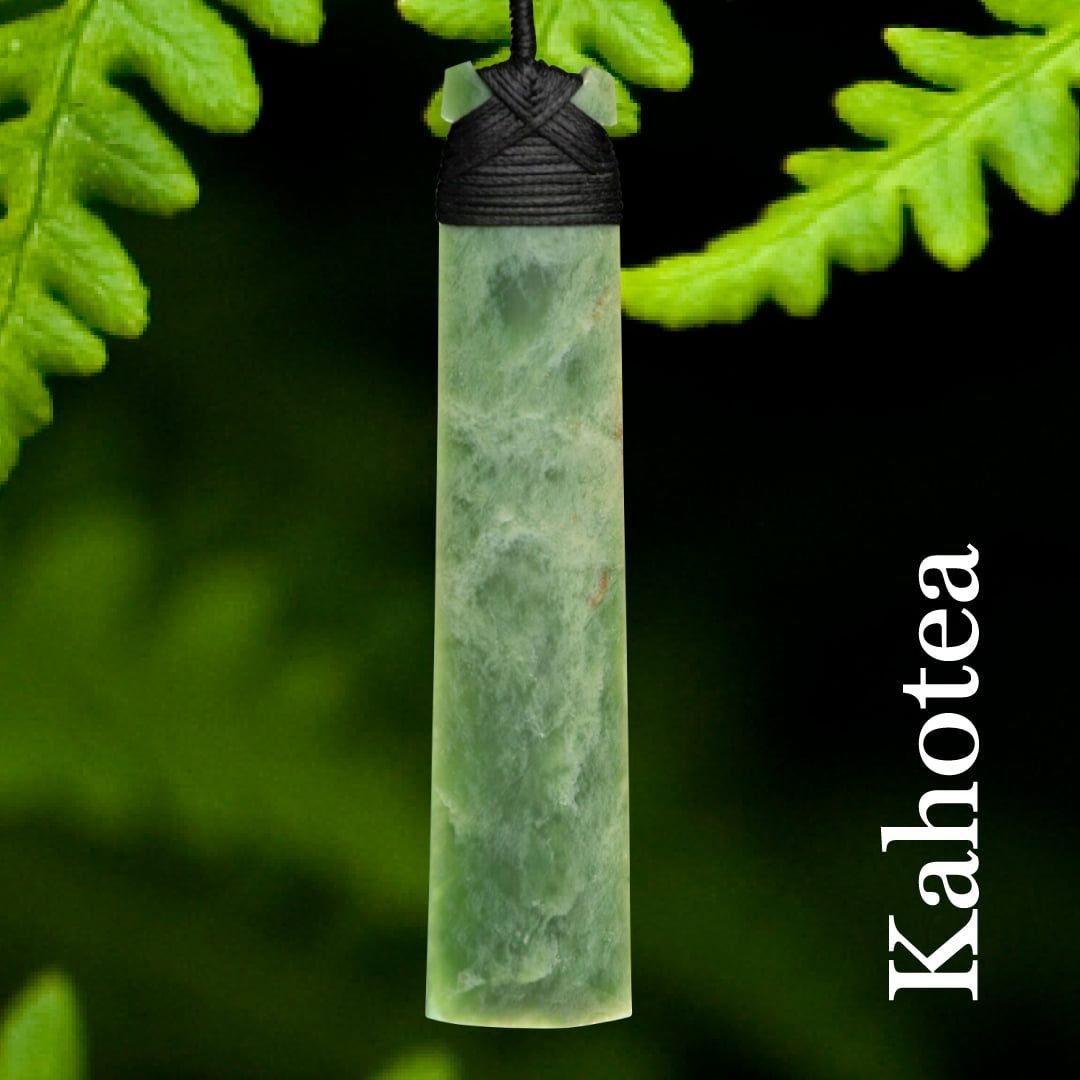
Kahotea
Is a shortened form of Kakahotea, meaning “the white flowering seed head of the Toetoe.” Tradition tells of a daughter of Kupe who discovered a white-skinned Pounamu boulder high on the bank of the Arahura River beside a flowering Toetoe. The name commemorates that first discovery. Many boulders are white on the outside and known as Kahotea, when cut open, their inner variety is revealed, which has led to some confusion around the use of the name.
Mutton Fat Stone
A lesser-known, and quite rare, variety of pounamu is Mutton Fat, which was given its name by the late Hettie Feith-Wells, a gemstone expert, regular buyer of unusual stones, and founder of the well-known rock and crystal shop “Hettie’s” in Christchurch. The stone has no distinct grain, making it easy to work with. It’s a muddy grey-green colour and when polished, the surface of the stone is very wax-like.
Pīpīwharauroa
Named after the shining cuckoo - a short-tailed, bronze-green bird with a dark green-and-white face - this type of stone can be found in the tangiwai, inanga and kawakawa varieties. The shimmering qualities of this stone are similar to the chatoyant stone which are rather eye-catching.
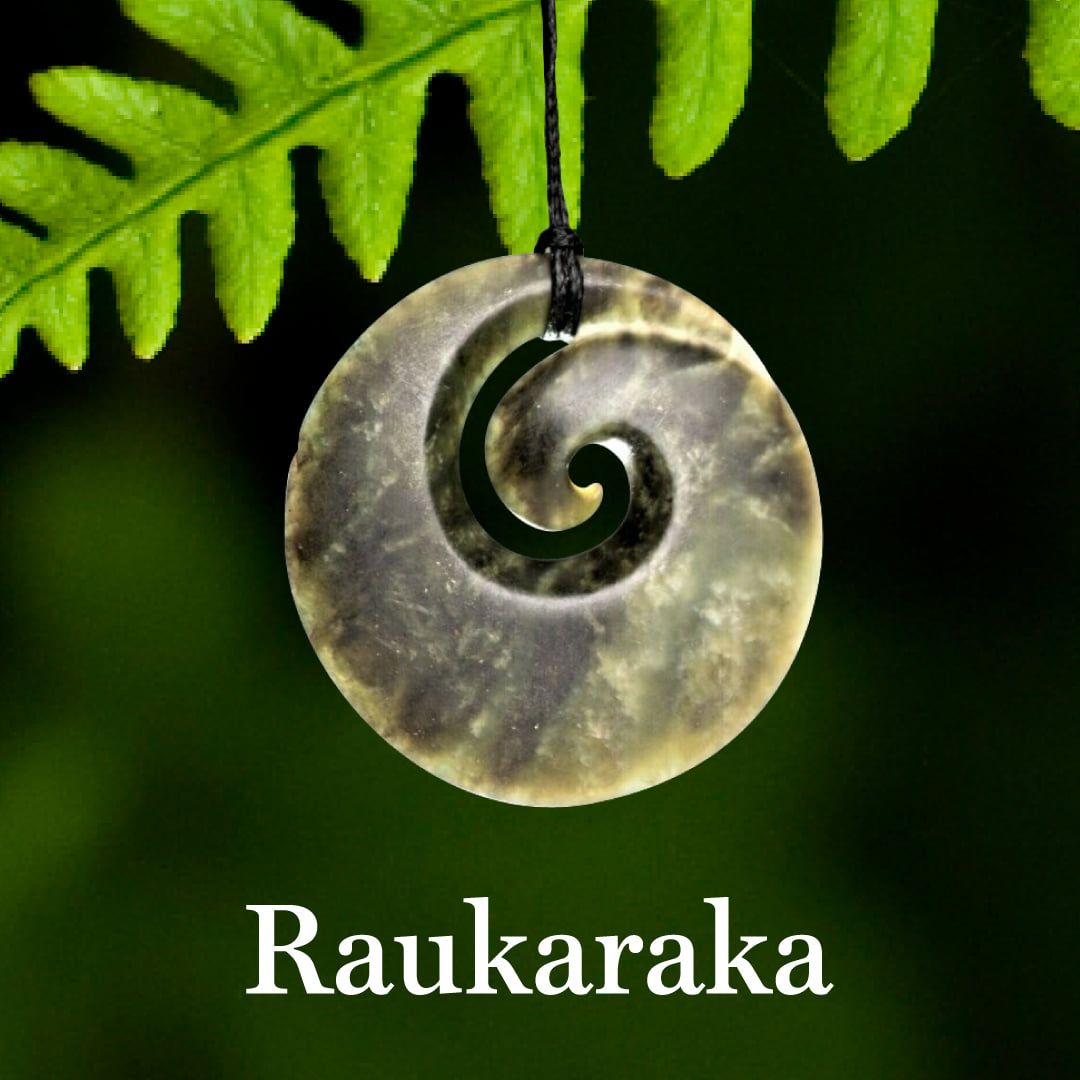
Raukaraka
Often displaying impressive streaks of colour that range from yellow to olive green, raukaraka is typically a darker stone named after the karaka tree. It’s opaque and hard with almost no grain, and it’s not often seen in carved items because of its comparative rarity. Mainly found in the Arahura River, it’s also been found in the Kawhaka and Goldsborough areas.
Totoweka
Characterised by its reddish-brown tint, totoweka is named after the bird - weka, whose brown feathers are spotted, and toto meaning ‘blood’ for its reddish hues that appear through the stone. It is another of the more rare varieties of pounamu.
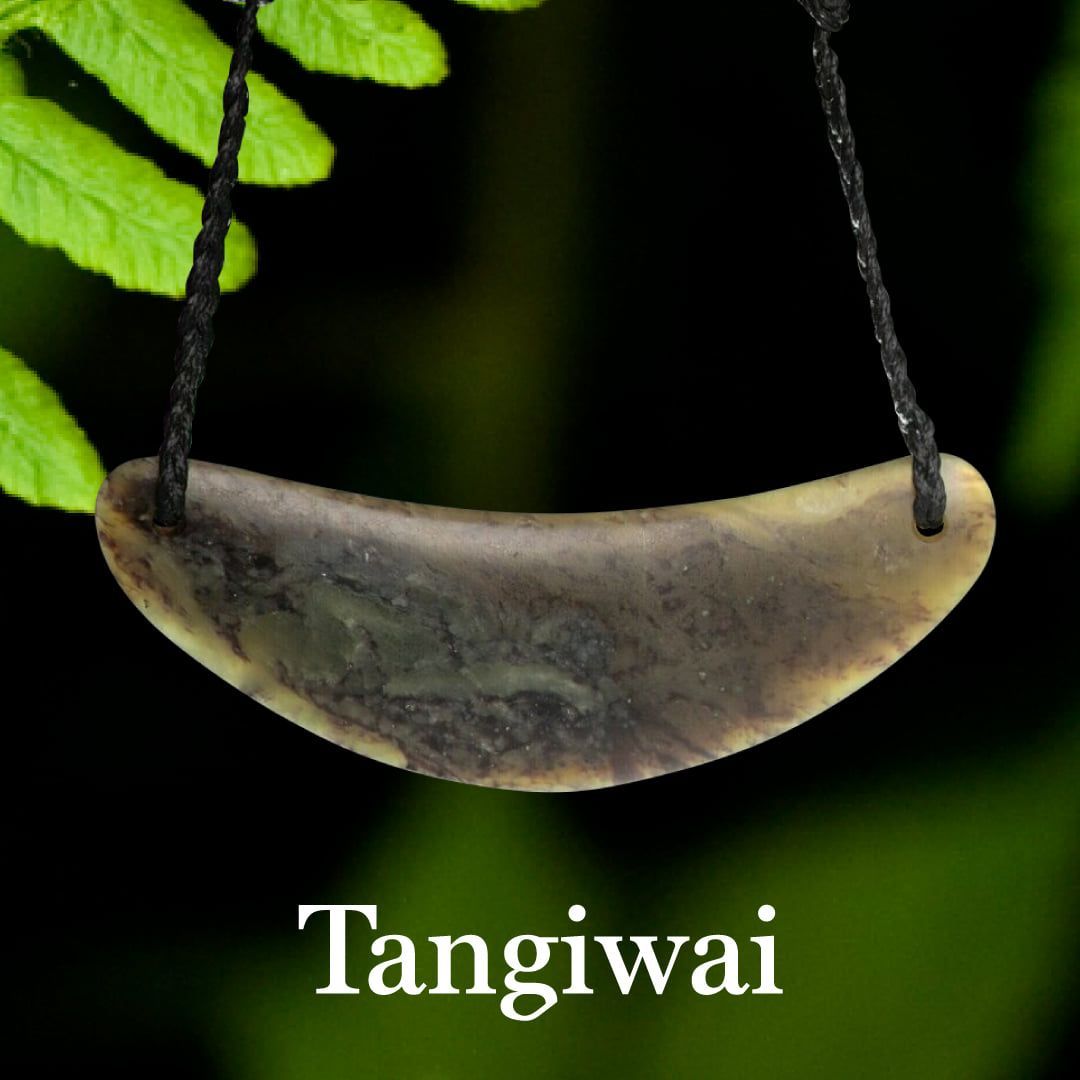
Tangiwai
Despite tangiwai being bowenite stone as opposed to nephrite, it is still recognised as being part of the pounamu family, and is in fact the most ancient variety of pounamu. This stone is sometimes completely transparent, with a glass-like appearance, and has been found in various shades ranging from olive green to brown to yellow to blue-ish green.
Even between these 11 variations of pounamu there is great diversity, and characteristics that transcend between familiar types. The thing that rings true for us here at Moko is that each piece of stone is beautiful in its own way and carries its own story which is often best told when it’s carved with great care into a shape that best represents each stone’s unique characteristics.
Moko Pounamu Knowledge Library